

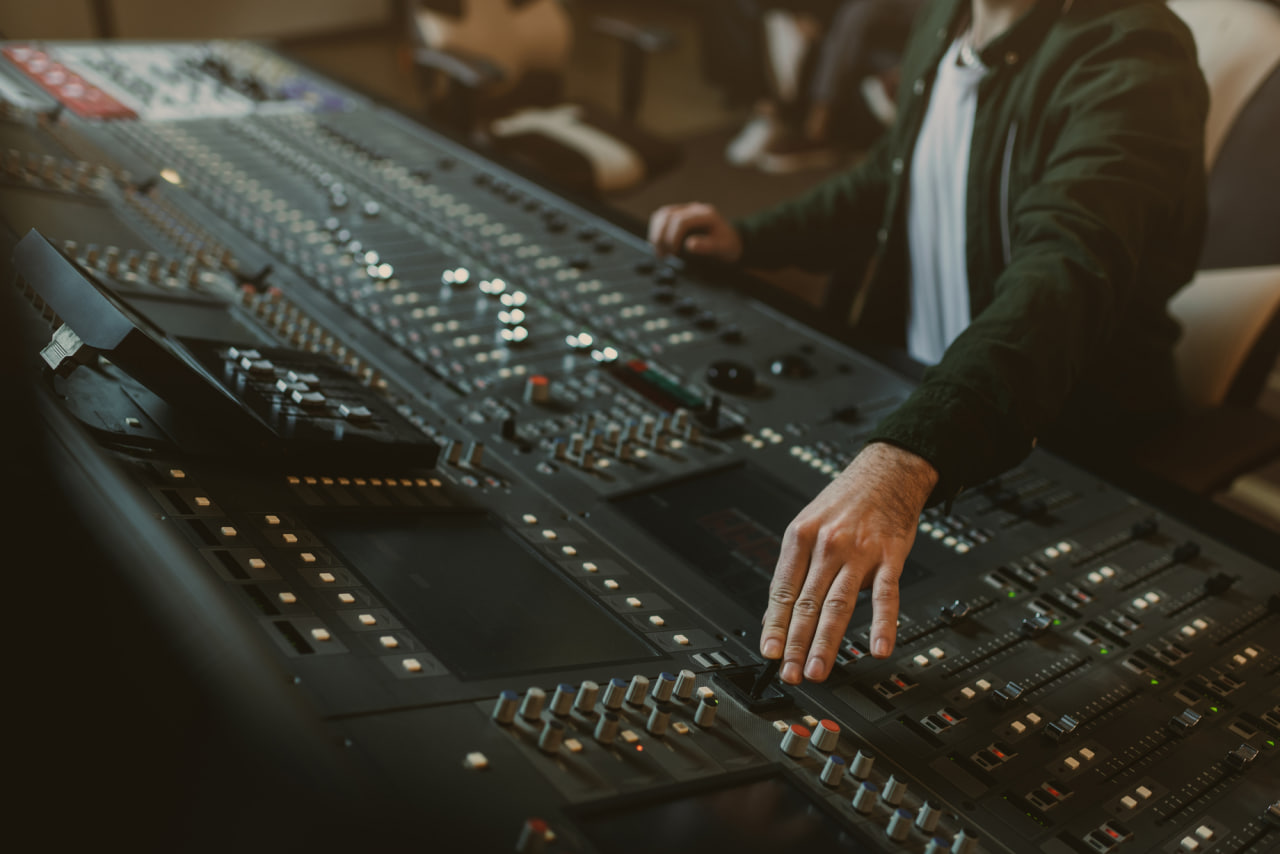
The mastering stage is the last step in music production. The goal of mastering is to take a final mix and make it sound great on all different kinds of playback systems. In contrast to recording and mixing — which deal with levels, tone and blending of individual instruments and frequencies — mastering deals with making the entire mix sound coherent and loud and clear. A good master will make a song sound great on an mp3 player and a car stereo, on SoundCloud and in the club.
Mastering is an art and a science. It improves the sound while preserving the musicality. To make professional sounding music, it’s important to understand the basics of mastering.
Mastering is not just a technical process for enhancing your mix; it serves an essential function in the music industry. In simple terms, mastering ensures that your audio is tailored for distribution on CDs or streaming platforms. You wouldn’t share a rough mix with someone, would you? This also applies to the professional world.
The objective of mastering is to prepare a mix for distribution by making it sound smooth, coherent, and cohesive. This entails:
BALANCING THE FREQUENCY SPECTRUM – making sure that the lows, mids and highs are in proportion and well defined.
Controlling Dynamics – Balancing the span from quiet to loud to obtain a unified effect.
Enhancing Stereo Imaging – Adding width and a sense of space that carries well from one system to another.
Maximising Loudness – Increasing the overall volume without compromising intelligibility or dynamic range.
That’s another reason why mastering is important, it helps to make sure all tracks on an album or project sound the same.
Critical Listening and Reference Tracks
One of the main elements of mastering is critical listening. The engineer will listen to the mixes in a variety of settings to determine what can be improved.
Reference tracks are a great tool. If you match your mix to a commercial master in the same genre, it can help you identify level, tone or dynamic imbalances. When you listen critically, you begin to hear the details that determine how well your mix will translate.
EQ for Final Tonal Balancing
Equalization (or “EQ”) in mastering can correct for any frequency issues that were perhaps not fully dealt with in the mixing stage.
Low End: Make sure the bass is punchy and defined. A little bit of cutting or boosting here and there can go a long way in avoiding a boomy low end.
Midrange – Adds definition and clarity, especially to the midrange frequencies where the voice and many instruments lie.
High Frequencies – Adds brightness and air without any harshness.
The thing with EQ is that it’s often quite subtle. You don’t want to make dramatic changes like you would with a mix, because you’re supposed to be maintaining the balance of the original.
Compression and Dynamics
A major role of mastering is to even out the dynamics without sucking the musicality out of the track. This is not like compression for mixing, which is used on individual instruments.
Multiband Compression: allows for the independent control over separate frequency ranges, so you can compress just the sibilance or the boominess or the harshness.
Broadband Compression – For a little soft control and to gel the mix together.
The ideal application of compression is one that allows a song to retain its energy and drive without exhausting the listener. Over-compression can render the music lifeless and impotent.
Limiting and Loudness Normalization
The limiter boosts the volume to competitive levels without clipping. It caps the peaks so they don’t go over the maximum output.
True Peak Limiting: Prevents digital distortion when your track is encoded for streaming.
Loudness Targets – Different platforms have different loudness targets (Spotify, Apple Music, YouTube etc). Mastering to the right loudness target means that the audio won’t be played back louder than it’s intended to.
It is also important to have a balance between loudness and dynamics. You want a song to sound big and energetic yet still have dynamics.
Stereo Vision and Depth
Plus, mastering can often improve the stereo image width and depth of your mix, which will often add a sense of space to it. Mid/side equalisation, stereo widening, and reverb can all add space to your mix.
Warning — Over widening can cause phasing problems which may cause loss of definition or mono summing issues.
Focus on Balance — keep the essentials like vocals, bass and kick in the middle, and pay attention to your stereo imaging.
Playback In Different Systems
In essence, a well-mastered track should translate well to any system it’s played on, whether that’s a pair of studio monitors, earbuds, car speakers, a smartphone or anything in between.
Test Across Devices — Play your track on speakers, headphones and other sound systems.
Tweak if necessary – Mild EQ, compression, or imaging tweaks may be necessary to make this translate.
This ensures that your music translates properly no matter the way the listener hears your music.
Reducing Noise Adding Finishing Touches
Another task in mastering is to remove any hum, clicks, etc that you failed to remove during the mixing process. Subtle use of a noise-reduction tool can be used to get rid of these without messing up the music.
Finally, add any finishing details that you like, such as:
Fades at the beginning and end of tracks
After the mix, the next step is sequencing. This is when you decide the order of the songs on your album. Some artists may choose to sequence their album with the most popular single first, then the next most popular, then the next, etc. Others may choose to group songs of similar styles together (e.g. all the slow songs first). But many artists approach sequencing as if it were a concert set list. You want to have a strong opening song, and a good closer. You want to take your listeners on a journey, with dynamics and ups and downs throughout. You want to alternate between fast and slow songs, if you have both. Etc. It’s kind of like planning a set list for a concert, except that people will potentially be listening to it for years to come, not just that one evening.
Metadata for digital distribution
Focus on these elements and your track goes from rough mix to polished, releasable record.
Hacks for streamlining your workflow:
Leave Fresh Ears – Step away from your mix and master periodically and come back with fresh ears to your song.
Start Subtle – Small tweaks are best; drastic changes might sink a perfectly good mix.
Use Reference Levels – Use to compare volume, tone, and stereo spread to commercial tracks.
Check in Different Environments – Make sure your mix sounds good in different headphones, monitors and on consumer speakers.
Document Settings – The notes are there so you can save and re-open a mastering and repeat the result.
The Art of Mastering
Mastering is technical in its execution, but it’s an artistic endeavor, too. EQ and dynamics and stereo imaging all contribute to the emotional weight of a record. The best mastering engineers combine technical know-how with a musical ear to make each mix sound its absolute best.